Wool vs. Acrylic Yarn: A Practical Comparison for Everyday Projects
Wool vs. Acrylic Yarn: A Practical Comparison for Everyday Projects
Choosing between wool and acrylic yarn is rarely about finding a single winner. It is about matching the fiber to the project, the person who will use it, and the amount of care you are willing to give. A wool hat for a winter commute and an acrylic blanket for a busy family room can both be excellent choices, even though they behave very differently in the wash, on the body, and over time. This comparison looks at warmth, durability, care, cost, and best uses so you can pick with confidence. It also helps to think beyond the label on the skein: the right choice for a baby gift, a daily-wear sweater, or a decorative cushion is not always the same as the right choice for a charity hat or a large throw that will be washed often.
Warmth: How Each Fiber Feels and Functions
Wool is a natural protein fiber with a crimped structure that traps air. That structure helps it insulate even when it feels slightly damp, and it lets moisture vapor move away from the body. In practice, that means a wool hat, sweater, or pair of socks can feel warm without turning clammy during a walk to the shops or a chilly morning on the school run. Wool also tends to regulate temperature well, so you are less likely to swing between overheating and shivering. The feel against the skin varies enormously by breed and preparation: merino is usually soft enough for next-to-skin wear, while some lambswool and Shetland yarns have a more traditional, slightly scratchy character that suits outer layers. A chunky wool cardigan worn over a shirt feels very different from a fine merino base layer, even though both are wool.
Acrylic is synthetic. It is warm for its weight and holds color well, which makes it popular for hats, blankets, and quick gifts. The trade-off is breathability. Acrylic can trap heat and moisture, so it may feel clammy during active wear or in a heated room. It is a practical choice for low-activity warmth, such as a throw blanket on the sofa or a decorative hat for a short walk, but it is less comfortable for a long hike or a sweater you plan to wear all day indoors and out. If you overheat easily, a breathable wool or a wool-rich blend is usually the kinder choice.
What This Means in Everyday Wear
For a winter hat, both fibers can work. Wool is better for a commuter who walks briskly and may sweat slightly under the hat; acrylic is fine for a child’s hat that will be worn for ten minutes at a time and washed frequently. For a sweater, wool usually feels more comfortable across a long day because it manages moisture and temperature more gracefully. For a sofa blanket, acrylic’s warmth and easy washability can outweigh its lower breathability, especially if the blanket is more about cozy evenings than active wear.
Durability and Shape: What Happens After a Few Washes
Wool has natural elasticity. It can stretch with wear and spring back, which helps garments keep their shape through repeated use. It is also strong, but it has two familiar vulnerabilities: friction can cause pilling, and heat plus moisture plus agitation can cause felting or shrinkage. A wool sweater that is washed incorrectly can come out several sizes smaller, while a wool sock that rubs inside a boot may develop pills at the heel. Superwash wool is treated to reduce felting and make machine washing more forgiving, but it is not indestructible. Even superwash wool benefits from gentle cycles and careful drying.
Acrylic is durable in a different way. It resists moths and mildew, it is generally inexpensive to replace, and it can take a lot of abrasion before it wears through. That makes it useful for blankets, toys, and everyday accessories. However, acrylic can pill, stretch out of shape, and become limp over time. It is also sensitive to heat: a hot iron or a hot dryer can permanently distort the fabric or make it feel stiff and melted. Acrylic blankets often survive frequent washing better than wool blankets, but acrylic sweater cuffs and necklines may lose their snap sooner than a good wool ribbing.
In practical terms, wool often wins for garments that need to hold their shape: cuffs, collars, sock heels, and sweater hems. Acrylic often wins for large, low-cost projects where easy replacement matters more than long-term shape: kids’ blankets, pet beds, and decorative pillows. A wool-acrylic blend can be a sensible compromise, combining some of wool’s elasticity and warmth with acrylic’s lower cost and easier care.
Care and Washing: The Routine You Will Actually Follow
The best fiber is often the one whose care routine you will genuinely follow. A beautiful wool sweater that sits unworn because it feels too fussy is not a practical choice, and an acrylic blanket that survives every wash but feels clammy may not be the cozy favorite you hoped for. Before choosing, read the yarn label and think about your real laundry habits.
- Wool: Many wool garments need hand washing in cool water with a gentle wool wash, then reshaping and drying flat. Avoid wringing, hot water, and tumble drying.
- Superwash wool: Often machine washable on a gentle cycle, but still dry flat or use a low-heat setting only if the label allows it. Superwash wool can stretch in the wash, so support the garment’s shape while drying.
- Acrylic: Usually machine washable and quick to dry, but keep temperatures low. High heat can shrink, distort, or permanently change the feel of the fiber. Avoid ironing directly and consider air drying to prolong shape.
If the project is for a baby, a busy family, or someone in assisted living, easy care may matter more than fiber purity. If the project is a special gift or a garment you plan to keep for years, the extra care wool requires may feel worthwhile. A simple rule is to choose the fiber whose worst-case laundry scenario you can live with.
Cost and Value: Cheap Up Front vs. Cheap Over Time
Acrylic is usually the budget-friendly choice. A large acrylic blanket can be made for a fraction of the cost of a comparable wool blanket, and acrylic is widely available in big-box stores and craft chains. That low upfront cost makes it appealing for charity projects, classroom crafts, and quick gifts where the yarn may be used in large quantities. Wool, especially merino or breed-specific wool, often costs more per skein. The higher price reflects the fiber’s natural properties, processing, and sometimes the smaller-scale supply chain.
But cost is not only the price at checkout. Wool garments can last many seasons if cared for well, and their warmth and breathability may mean they are worn more often. Acrylic may need replacing sooner if it pills badly, stretches, or loses shape, especially in high-friction items like socks and sweater cuffs. The better value depends on the project: an acrylic blanket that is washed weekly may be the practical winner, while a wool hat worn every winter for five years may justify its higher initial price. Blends can also offer a useful middle ground, though the exact care needs depend on the blend ratio.
Best Uses for Each Fiber
Wool Shines For
- Winter hats and mittens: Warm, breathable, and naturally elastic, so they stay snug without feeling stiff.
- Sweaters and cardigans: Good shape retention and temperature regulation for everyday wear.
- Socks: Wool manages moisture and stays warm even when slightly damp, though durable sock yarn often includes nylon for abrasion resistance.
- Baby outer layers: Soft merino can be gentle next to skin, but check for allergies and choose easy-care options if needed.
- Heirloom projects: A carefully made wool garment can be a long-lasting gift when the recipient will follow the care instructions.
Acrylic Is a Practical Choice For
- Large blankets and throws: Affordable, washable, and warm for sofa use.
- Kids’ projects: Colorful, easy to wash, and less precious if something is spilled or lost.
- Toys and amigurumi: Holds shape well, comes in bright colors, and is easy to clean.
- Decorative items: Pillows, wreaths, and seasonal décor where frequent washing is not the main concern.
- Charity knitting and quick gifts: Budget-friendly and simple to care for, especially when the recipient may not want special laundry instructions.
Neither list is absolute. A wool blanket can be wonderful if you are prepared to care for it, and an acrylic sweater can be perfectly useful for casual wear. The key is to match the fiber’s strengths to how the item will actually be used.
Blending the Two: A Middle Path Worth Considering
Wool-acrylic blends are common for good reason. A blend can bring wool’s warmth and elasticity together with acrylic’s lower cost and easier washing. For everyday sweaters, hats, and blankets, a blend may be more forgiving than pure wool and more breathable than pure acrylic. The exact performance depends on the ratio: a yarn with a high wool content will behave more like wool, while a mostly acrylic blend will lean toward acrylic’s care and durability. If you are torn between the two, a blend is often a sensible place to start, especially for gifts where you do not know the recipient’s laundry habits.
It is also worth considering the stitch pattern. Wool has excellent stitch definition and elasticity, so it suits cables, ribbing, and fitted garments. Acrylic can be slightly less springy, which may matter for ribbed cuffs or closely fitted hats. Blends can soften that trade-off, but swatching is still the best way to know how the finished fabric will behave.
A Quick Decision Guide
If you are standing in the yarn aisle or deciding between two skeins in your stash, use these questions to narrow the choice:
- Choose wool or a wool-rich blend if the item will be worn next to skin, needs to breathe during activity, or should keep its shape through years of wear.
- Choose acrylic if the item will be washed often, needs to be budget-friendly, or is a large project where easy care matters more than breathability.
- Choose a blend if you want a compromise between warmth, cost, and laundry convenience, especially for everyday sweaters and hats.
- Think about the recipient. A busy parent may prefer a machine-washable acrylic blanket; a knitter who enjoys blocking and wool care may treasure a wool sweater.
The best yarn is rarely the “best” fiber in isolation. It is the one that suits the job, the wearer, and the wash routine you will actually follow.
Wool and acrylic both have a place in a practical yarn stash. Wool brings breathable warmth, elasticity, and a natural feel that many people love for garments. Acrylic brings affordability, color, and easy care that make it hard to beat for blankets, toys, and everyday family projects. By matching the fiber to the project rather than treating one as universally superior, you can choose with confidence and enjoy the finished item for exactly what it is meant to do.
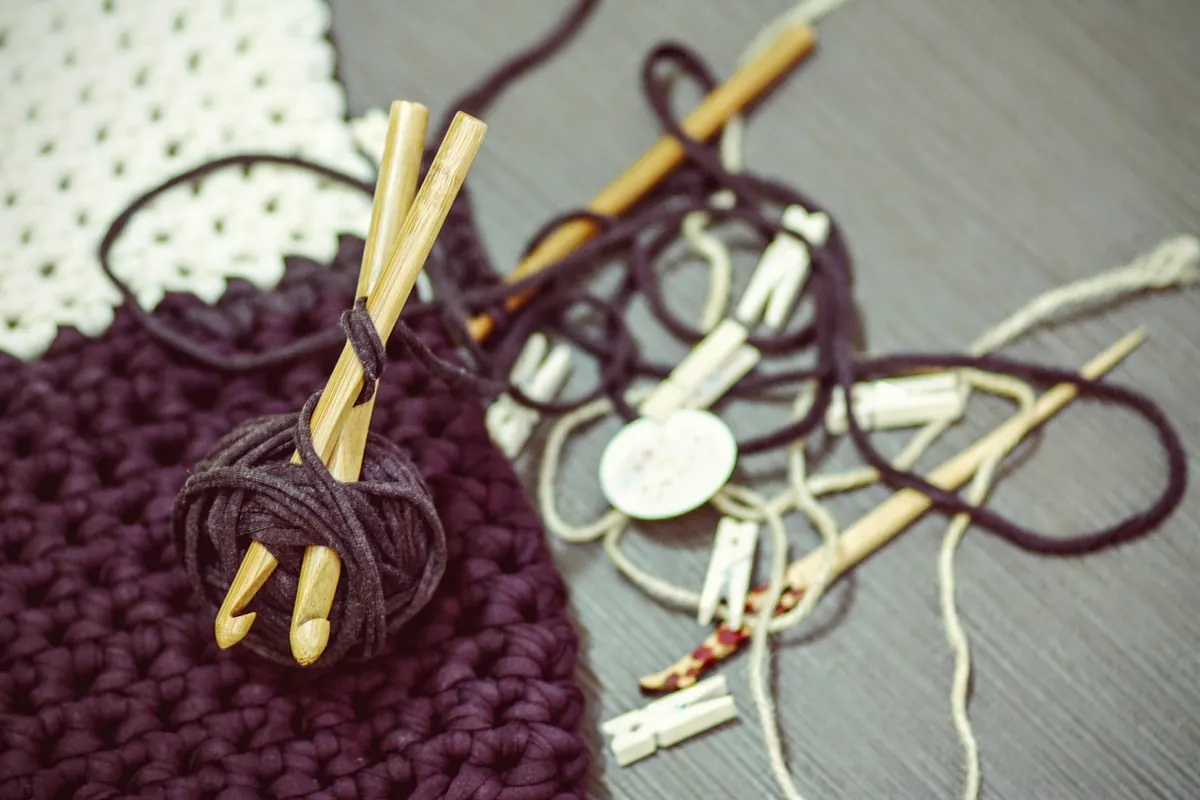
Photo: Eva Bronzini / Pexels
Summer Crochet: Lightweight Yarn Choices for Breathable Tops and Bags
A practical guide to choosing cotton, linen and summer blend yarns for crocheted tops and bags, with notes...
Local Italian Mill Yarn: Why Small-Batch Wool Offers Unique Texture and Color
Small-batch yarn from Italian mills behaves differently from mass-market skeins: how texture and colour...
About Us