Local Italian Mill Yarn: Why Small-Batch Wool Offers Unique Texture and Color
Most yarn arrives at your needles having already been flattened into predictability. Colour is uniform from skein to skein, thickness barely shifts, and the twentieth ball knits exactly like the first. Small-batch wool from an Italian mill works the other way round. It carries the marks of a particular fleece, a particular run of the carding machine, a particular afternoon in the dye house. That is not a flaw to be tolerated. It is the reason many knitters stop going back.
Italy still has working mills of a size that would surprise most visitors — family operations in the wool districts around Biella and Prato, running machinery that was built to be repaired rather than replaced. Understanding what happens inside those buildings makes you a better buyer of their yarn.
What Small-Batch Means at an Italian Mill
A large industrial spinner commits to tonnes. Machines are set for a single blend and run for weeks. A small mill buys wool in more modest quantities, often by breed or by specific blend, and spins shorter runs that may be measured in a few hundred kilos. Between runs, the cards and the spinning frames are cleaned down and set up again. That resetting is where lot numbers come from, and lot numbers are where your knitting life gets interesting.
Within one lot, the yarn is remarkably consistent — the mill has done its job. Between lots, expect honest differences: a shade half a step warmer, a slightly fuller hand, a marginally thicker average gauge. If you are knitting a sweater, buy the whole quantity at once from one lot. If you fall for a base and want it again next season, accept that you are buying a cousin, not a twin.
Two spinning traditions shape everything that follows. Woollen-spun yarn is carded rather than combed, so short fibres stay in the mix and trap air. It is light, fuzzy, warm and slightly irregular. Worsted-spun yarn is combed so the fibres lie parallel, then spun tight. It is smoother, stronger, and shows every stitch. Most Italian mill yarns sit on a spectrum between the two, and a blend may lean either way.
Texture: Where a Mill Yarn Shows Its Character
Take a skein and hold it against a window. Woollen-spun yarn looks cloudy, with fibres escaping the main thread. Worsted looks like a drawn line. Neither is better; they solve different problems.
The fibre itself matters just as much. Fine wools feel soft against the neck but have less spring, so they can sag at elbows and seats over time. Slightly coarser wools feel more robust in the hand and hold their shape through years of wear. Many Italian mills blend deliberately — a little alpaca for drape, silk for lustre, linen for summer bite, a percentage of recycled fibre for body and a lower footprint. Reading the blend tells you more about how a garment will age than reading the label's colour name.
Then there is twist. A low-twist yarn feels plush and blooms generously after blocking, but it pills where it rubs. A high-twist yarn looks crisp, resists abrasion, and shows cables with real definition. Try this at the shop: pull a length between both hands until it resists, then let go. If it snaps back hard, you have a lively, energetic yarn. If it stays slightly stretched, knit it at a firmer gauge than you think you need.
Finally, remember that mill yarn is often finished before it leaves the building but not always washed out completely. Some skeins carry a trace of spinning oil or a faint mill smell. One gentle wash in cool water with a wool-friendly soap changes the hand noticeably — usually for the better. Judge the yarn after that wash, not before.
Colour: Reading Variation Instead of Fearing It
Small dye lots mean small pots. A dye house working in modest quantities cannot guarantee that the teal from March matches the teal from October, and few would want it to. Kettle-dyed yarn also takes colour unevenly in a way that is genuinely beautiful — slightly deeper where the skein was tied, softer at the edges, with a subtle movement through the strand that reads as depth once knitted.
Undyed and naturally coloured yarns are their own category. Ecru, oatmeal, silver grey and warm brown come from the fleece itself, and no two fleeces match exactly. Skeins in the same order can sit a shade or two apart. Knitters who plan for this end up with garments that look hand-made in the best sense.
Practically, this means three habits. Buy enough for the whole project, plus a spare skein for repairs. Record the lot number on the band — photograph it if you keep a project notebook. And if you must mix lots, alternate skeins every two rows or every round and no one will ever spot the join.
What to Check Before You Commit
- Lot number on every skein. Buy the full quantity in one order if you can.
- Metres per skein, not just grams. Small-batch skeins vary in yardage more than you expect.
- Suggested gauge range. Mill yarns are often happier at the firmer end of it.
- Fibre percentages, including any recycled content, which can behave differently in the wash.
- Ply and twist — a two-ply rounds off stitch definition; a tight multi-ply sharpens it.
- Care wording on the band, and whether the mill recommends hand washing.
Matching the Yarn to the Project
Textured knitting: cables, twisted stitches, knit-purl patterns
Choose a worsted-leaning yarn with decent twist. Loose, fluffy singles swallow cable definition and turn a lattice into a blur. Swatch a small cable repeat and look at it from a metre away — if the lines read clearly, the yarn is right.
Stranded colourwork
Woollen-spun yarn is the traditional choice here because the fibres mesh and the floats sit flat. It also hides small tension differences between colours. Avoid high-lustre, slippery yarns for your first colourwork yoke; the stitches drift.
Garments worn hard
For everyday sweaters, favour a blend with some resilience and knit at a slightly tighter gauge than the ball band suggests. A firmer fabric resists pilling at the underarm and holds shape at the hem. Save the soft, drapey skeins for pieces that hang rather than move.
Shawls and accessories
This is where the extravagance of small-batch texture pays off. A lace pattern in a slightly irregular woollen-spun yarn has a softness that a perfectly uniform merino cannot match. Blocking opens the fabric and hides nothing — which is exactly the point.
Practical Notes Before You Cast On
Swatch properly, and swatch more than once if the yarn is precious. Knit a square at least fifteen centimetres wide, wash it the way you intend to wash the finished piece, and let it dry flat. Measure after drying, not before. Small-batch yarn can shift a full stitch per ten centimetres after its first bath, and finding that out on a sleeve is painful.
Store your working skeins with the bands kept aside, in a bag with a lavender sachet or a cedar block, away from light. Wool that has taken months to find deserves better than a dusty basket. And if you run short, contact the shop with the lot number before substituting — a matching lot may still exist in a back room.
None of this asks you to accept defects. It asks you to buy with your eyes open and plan for a yarn that behaves like a material rather than a product. Do that, and the small variations stop being risk and start being the reason the finished sweater looks like yours.
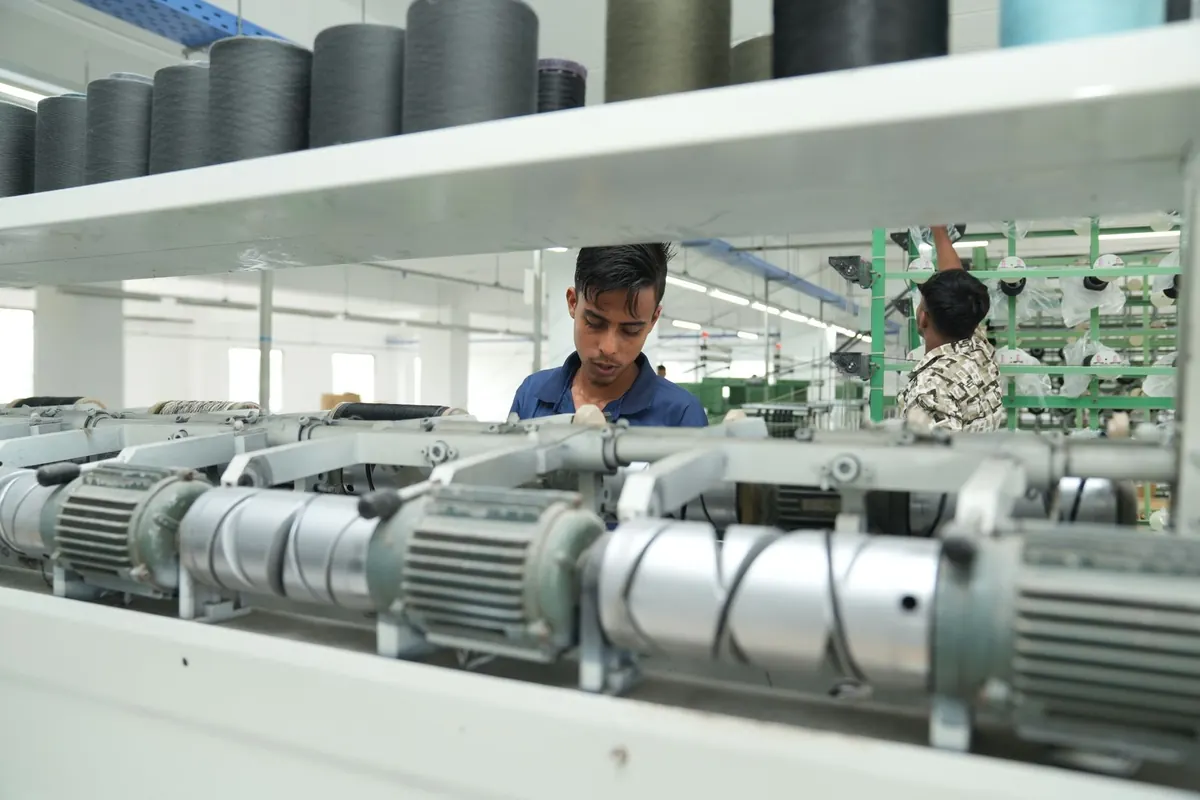
Photo: Galib Rahman Nadim / Pexels
Summer Crochet: Lightweight Yarn Choices for Breathable Tops and Bags
A practical guide to choosing cotton, linen and summer blend yarns for crocheted tops and bags, with notes...
Pattern Reading Checklist for Knitting and Crochet Charts
A practical pre-start checklist for knitters and crocheters: verify abbreviations, repeats, chart symbols,...
About Us